

Nice, France, 6 June, 2025 – At the UN Ocean Conference (UNOC3), on June 9, Mercator Ocean International will unveil the next-generation European Digital Twin of the Ocean (DTO), an advanced AI-powered platform designed to simulate and explore “what-if” scenarios that reveal the potential impacts of our decisions—past, present and future—on the marine environment and the socio-economical activities. As a major outcome of the European Commission’s Ocean Pact announced yesterday, the DTO transforms Europe’s call for collective action into a powerful digital infrastructure for international cooperation, informed decision-making, and bold strategies for ocean sustainability.
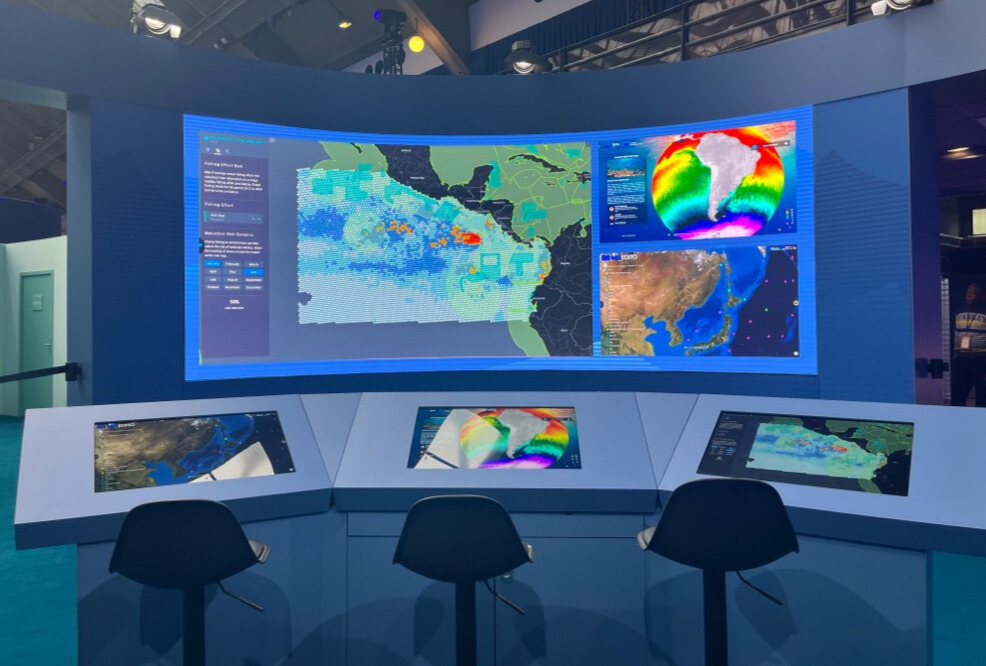
A collaborative European platform open to all
Developed under the European Commission’s leadership and implemented by Mercator Ocean International, with key partners such as the Flanders Marine Institute (VLIZ), the EU Digital Twin Ocean brings together cutting-edge science, technology, and expertise from across Europe to build its core infrastructure. The DTO is an open, public good, accessible to all stakeholders – from policymakers to citizens. By translating complex marine data into actionable intelligence, it supports Europe’s commitment to transparency, innovation, and the public good.
Harnessing advanced technology and AI
Leveraging Europe’s world-class scientific assets, the DTO integrates data from Copernicus Marine Service, European Marine Observation and Data Network (EMODnet) and other sources to provide consistent, multi-dimensional ocean descriptions and forecasts – from seasonal to multi-decade timescales.
Next-generation artificial intelligence, running on advanced GPU computers, delivers forecasts in seconds rather than hours, while using a fraction of the energy required by traditional supercomputers. AI-driven models have already improved ocean current prediction accuracy by more than 20%, setting a new benchmark for marine forecasting.
Real-world impact: from biodiversity to coastal protection
The DTO is designed as a practical tool for policymakers, environmental agencies, researchers, and communities, enabling informed decisions for people and the planet.
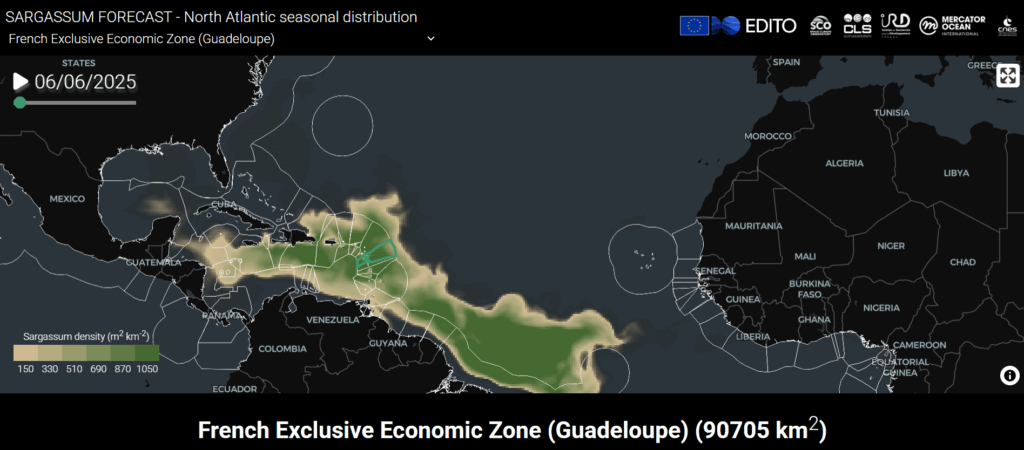
Sargassum Drift: Forecasts Sargassum influxes across the Equatorial Atlantic and EEZs, enabling proactive coastal and marine planning.
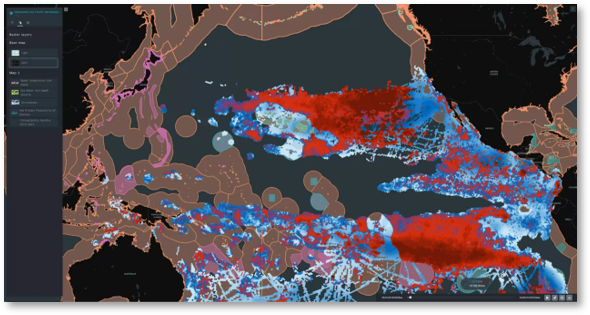
Turtle Drift Tracker: Simulates endangered turtle movements, analyses fishing risk, and tests closure scenarios to reduce by-catch, supporting targeted biodiversity protection.
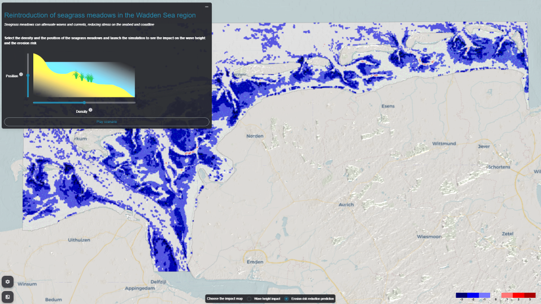
Nature-Based Solutions: Simulates the hydrodynamic impact of seagrass on the reduction of coastal erosion, enabling agencies to compare nature-based and engineered protection strategies.
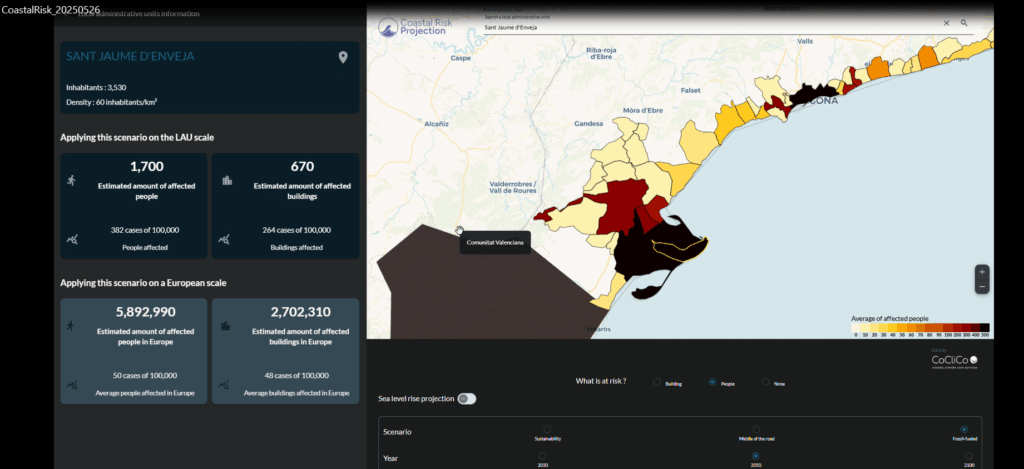
Coastal Risk Projections: Provides local data on people and assets at risk, tailored to different climate scenarios and extreme events.
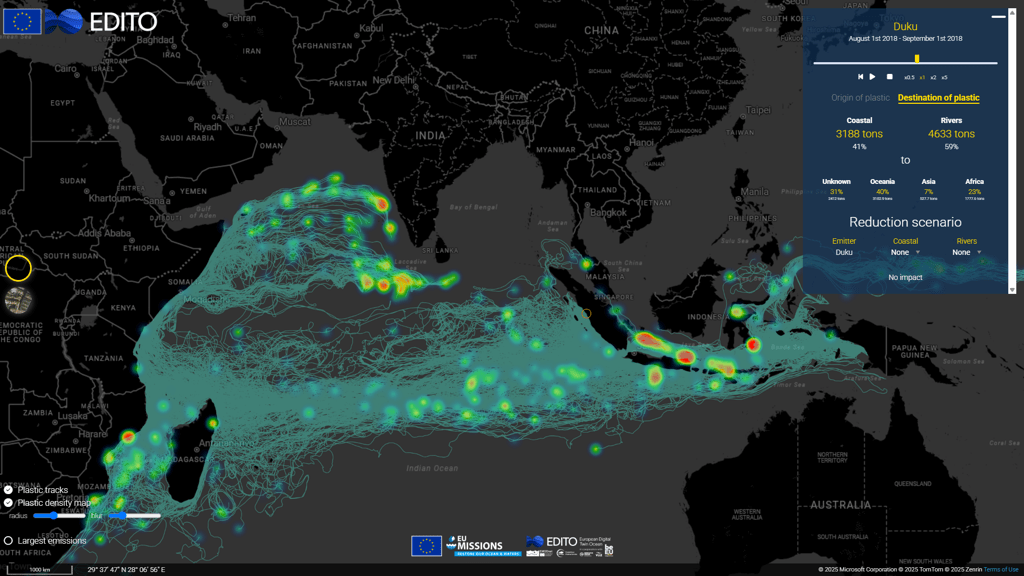
Plastic Pollution Tracker: Models global plastic drift, exposure, and travel time; enables “what-if” scenarios to assess the impact of emission cuts on local plastic footprints.
“The Digital Twin of the Ocean is more than a technological achievement—it’s our shared compass for navigating the future of our vital marine ecosystem. If the European Ocean Pact is the vision, the European Digital Twin Ocean is part of the solution: with this platform, we can anticipate challenges, and act together for a healthier ocean,” said Alain Arnaud, Head of Digital Ocean department at Mercator Ocean International
“A strong European Ocean Pact depends on robust knowledge and advanced tools to address the complexity of our seas. The European Digital Twin of the Ocean is set to become a cornerstone of the Pact as we expand its deployment,” said Kęstutis Sadauskas, Deputy Director-General, European Commission.
About Mercator Ocean International
Mercator Ocean International is a world leader in digital oceanography, providing trusted ocean analysis, forecasting, and intelligence to advance science, policy, and societal needs. Founded in 1995 and headquartered in Toulouse, France, the organisation employs 120 staff and is led by Director General Pierre Bahurel. As a European organization registered in France, Mercator Ocean International operates the Copernicus Marine Service on behalf of the European Union and is recognised as a global ocean prediction centre. It co-develops the European Digital Twin of the Ocean with European partners and hosts the G7 Future of the Seas and Oceans Initiative Coordination Centre.
Mercator Ocean International is currently transitioning to an IGO during an official side event at UNOC on June 9: The official side event (Blue Zone, room 5) will celebrate the international IGO Convention now proposed for signature by the Copernicus Participating States, culminating in a Declaration of continued commitment by all States involved in the process.
More information on www.mercator-ocean.eu
About the EU Digital Twin Ocean
The European Digital Twin Ocean (DTO) development was launched by the European Commission at the One Ocean Summit in February 2022 as part of the EU Mission to Restore our Ocean and Waters. The DTO is being built through the EDITO European project that enables co-development of digital twin applications tailored to diverse stakeholder needs.
The platform is fully compatible with the Destination Earth (DestinE) architecture, led by ESA, EUMETSAT, and ECMWF, and leverages European High-Performance Computing (EuroHPC) resources. This alignment ensures the DTO supports the EU’s Digital Strategy and Green Deal objectives.
EDITO has been officially endorsed as a Decade Action project contributing to DITTO, the United Nations programme on Digital Twins of the Ocean. It is also linked to the OceanPrediction Digital Collaborative Centre (DCC), reinforcing its role in international ocean digital innovation and collaboration.