


The 18th European Space Conference in Brussels on 27 and 28 January displayed how the European Digital Twin Ocean is becoming a core European public infrastructure for digital Ocean intelligence.
On behalf of EDITO and the Copernicus Marine Service, Mercator Ocean International made a strong presence at this year’s edition, where the 6-strong team delivered live demonstrations of the European Digital Twin Ocean, and participated in three high-level panels, while reengaging with long-standing Copernicus partners.
The European Digital Twin Ocean as a strategic digital infrastructure
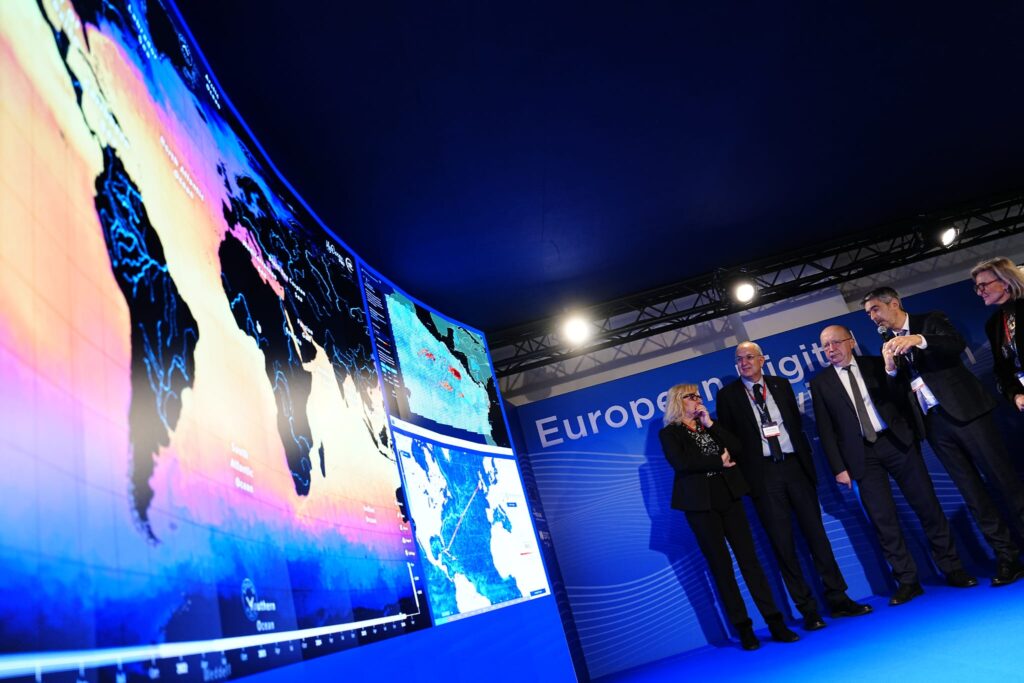
The European Digital Twin Ocean took centre stage in the Agora Area of the 2026 European Space Conference, with high-level discussions highlighting its role as a core European public infrastructure for digital Ocean intelligence, and a dedicated interactive installation showcasing concrete, real-world applications.
Throughout the 2-day event, Mercator Ocean llustrated how this capability is translating ocean observations into trusted, actionable intelligence, supporting climate resilience, blue economies, maritime navigation and Europe’s digital sovereignty.
Roundtable: why sovereignty and security matter
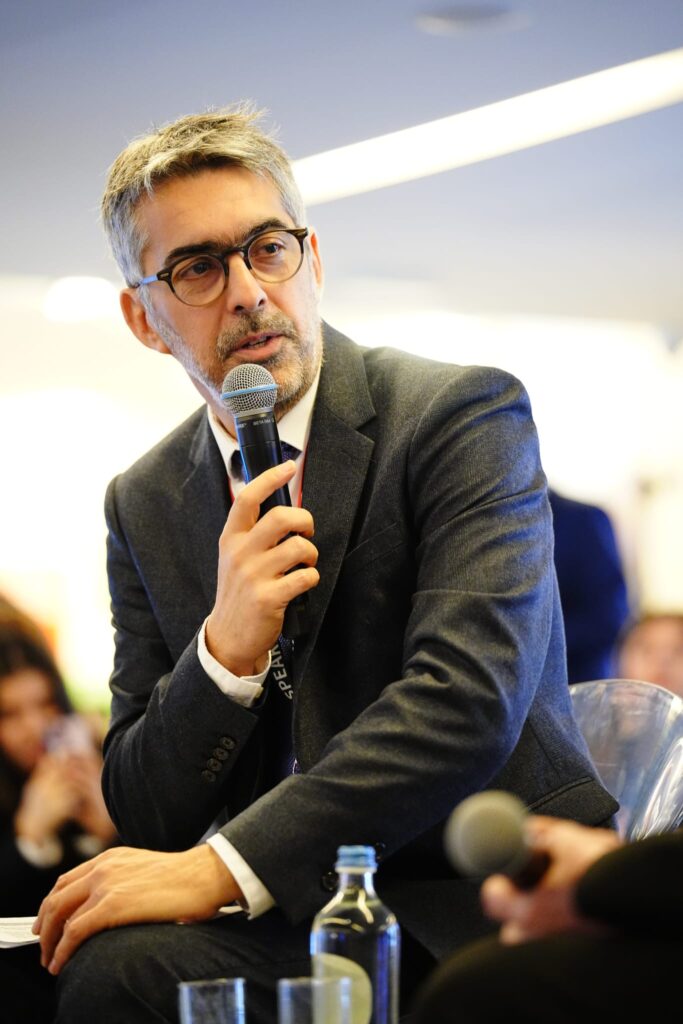
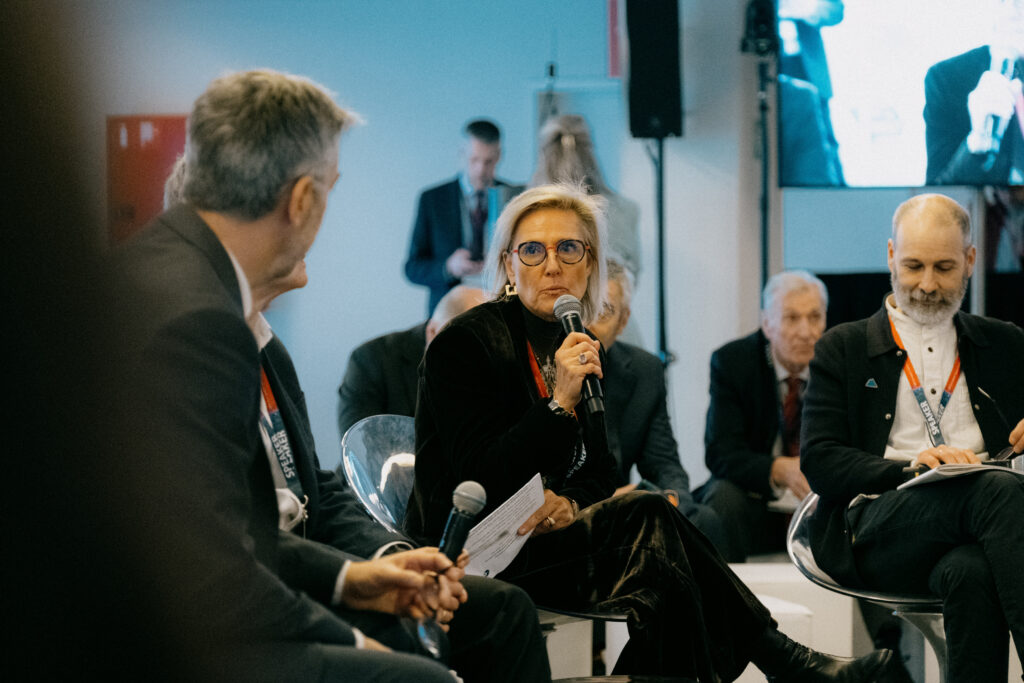
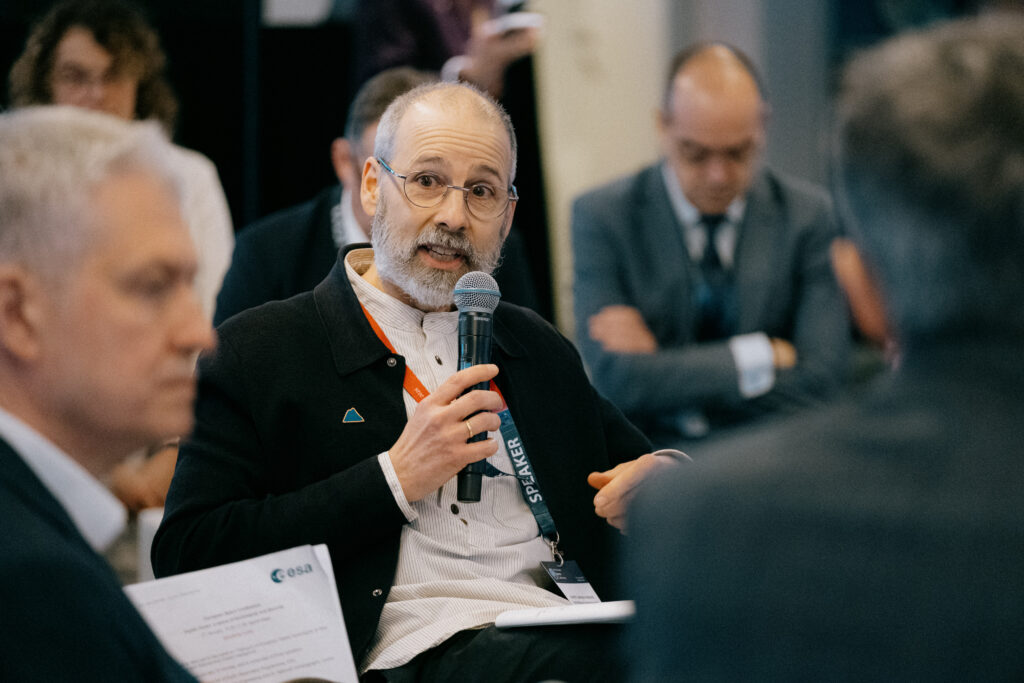
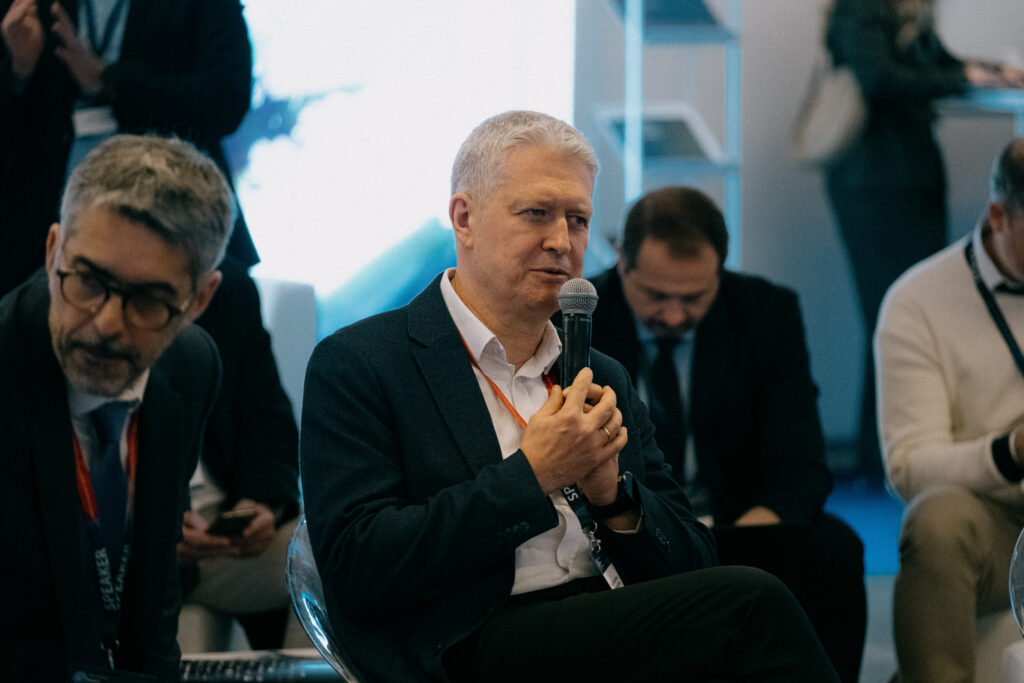
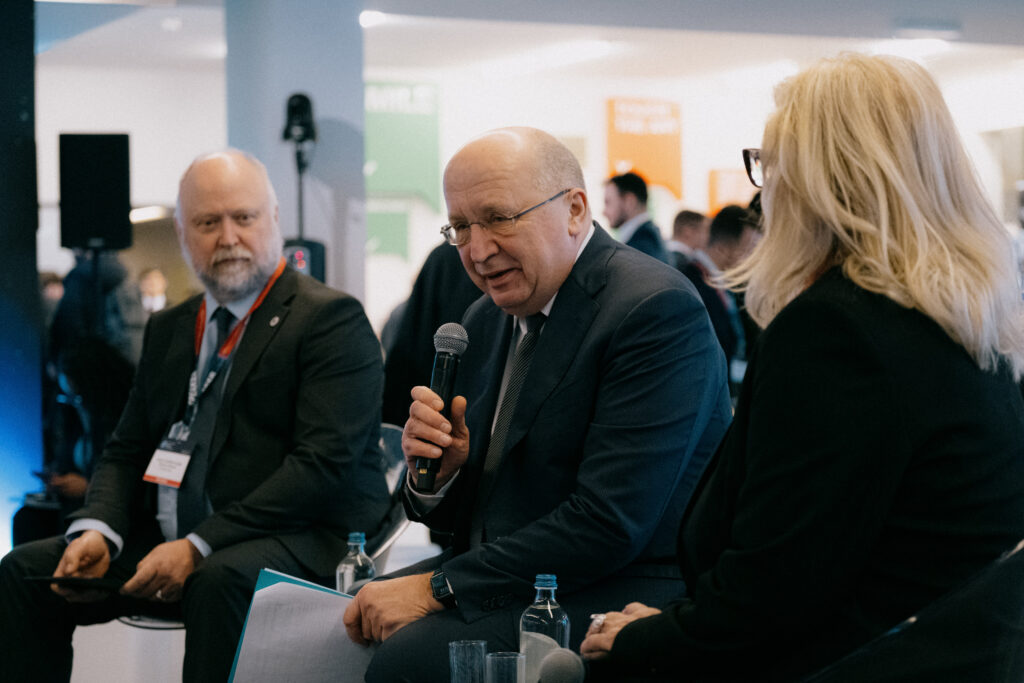
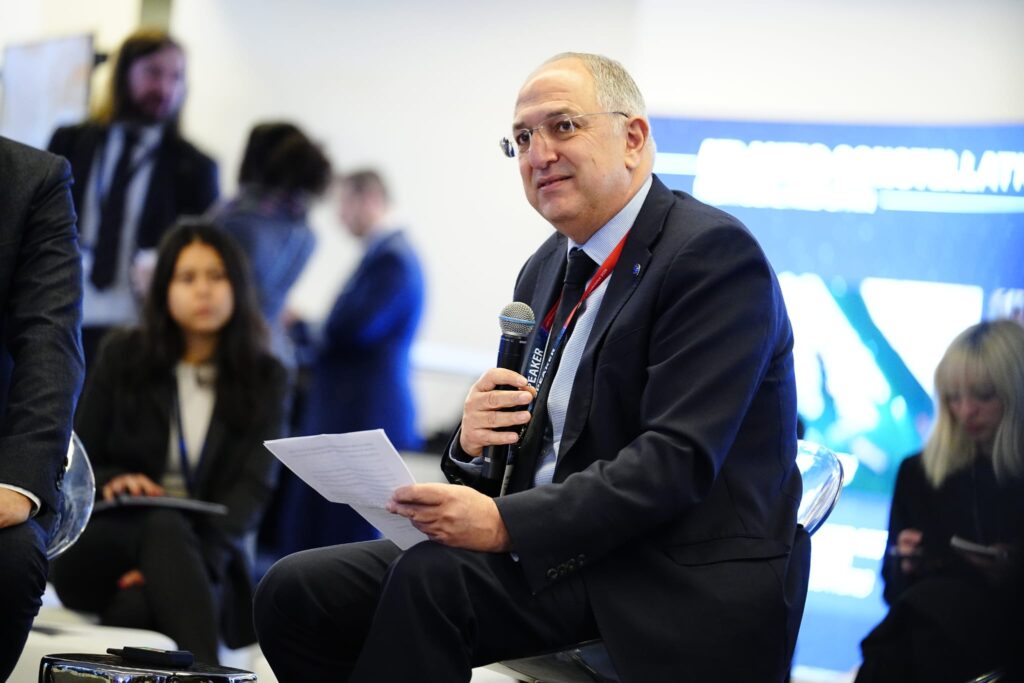
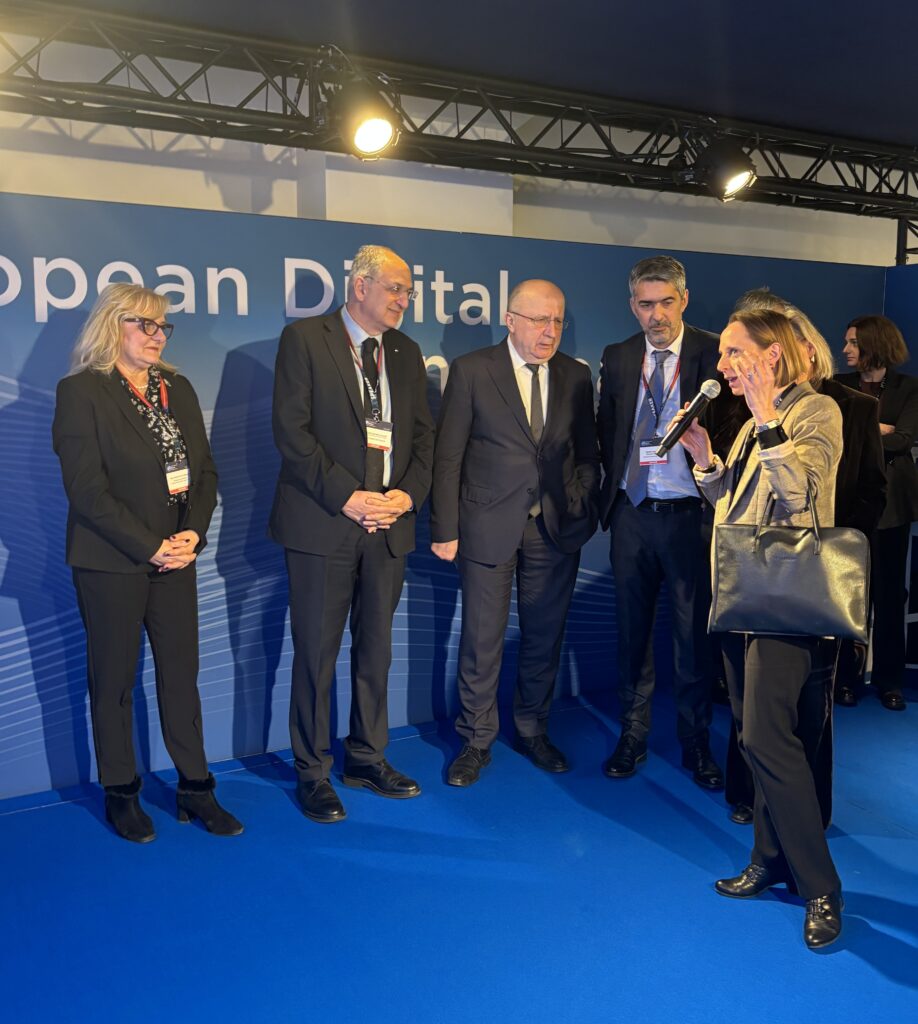
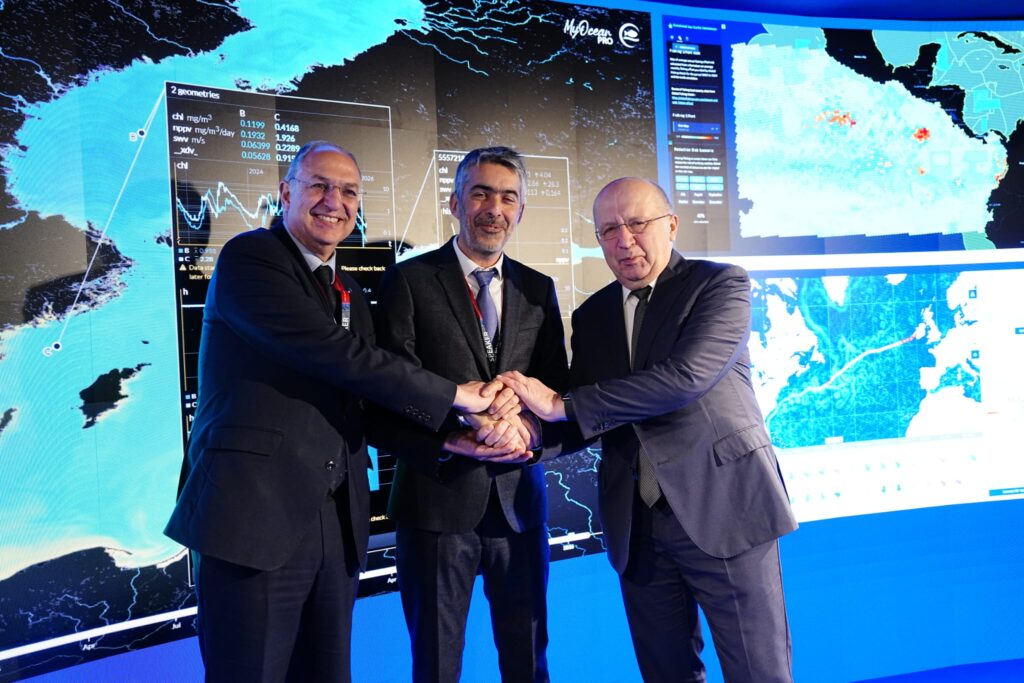
In the morning of Day 1, Director-General Pierre Bahurel led a roundtable discussion addressing the existing strategic, geopolitical and security challenges and exploring the role that the European Digital Twin Ocean can play as a pillar for European digital sovereignty; the opening session saw Commissioners Andrius Kubilius (Defence and Space) and Costas Kadis (Fisheries and Oceans) acknowledge the growing importance of the European Digital Twin Ocean as a sovereign source of ocean intelligence for Europe, setting the stage for two focused thematic dialogues.
The first dialogue brought together Simonetta Cheli, Director of Earth Observation Programmes at ESA, Alberto Arribas, Head of Software Engineering and AI at the National Oceanography Centre, and Maciej Krzyżanowski, CEO of CloudFerro. Their exchange explored the technological, data and infrastructure foundations of the European Digital Twin Ocean, highlighting the role of Earth observation, AI capabilities and European cloud infrastructures in building a trusted and autonomous digital ocean system.
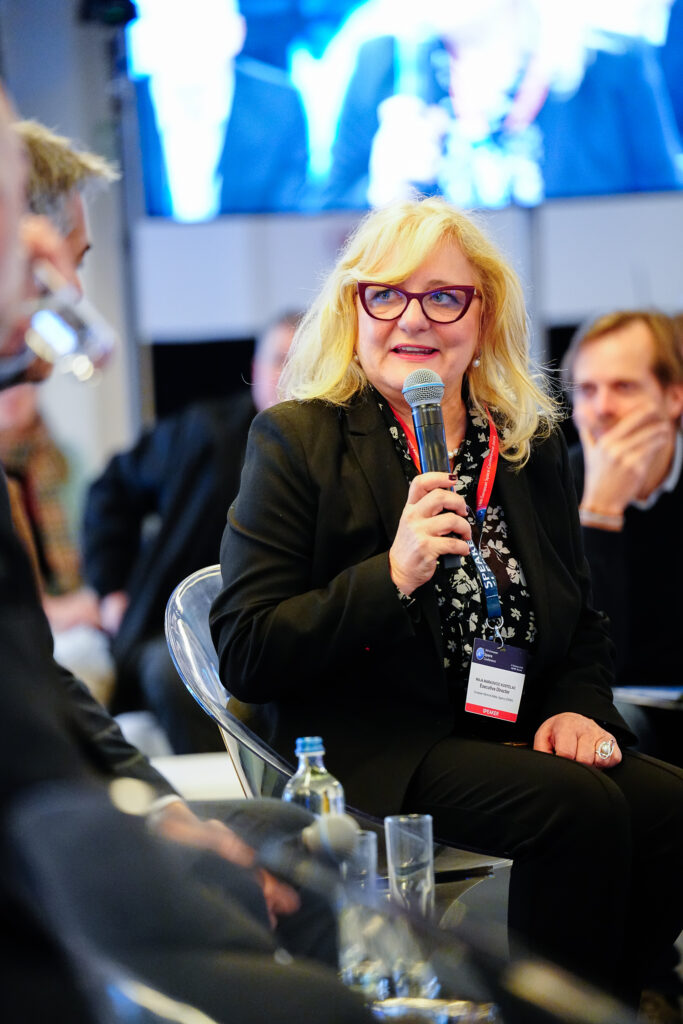
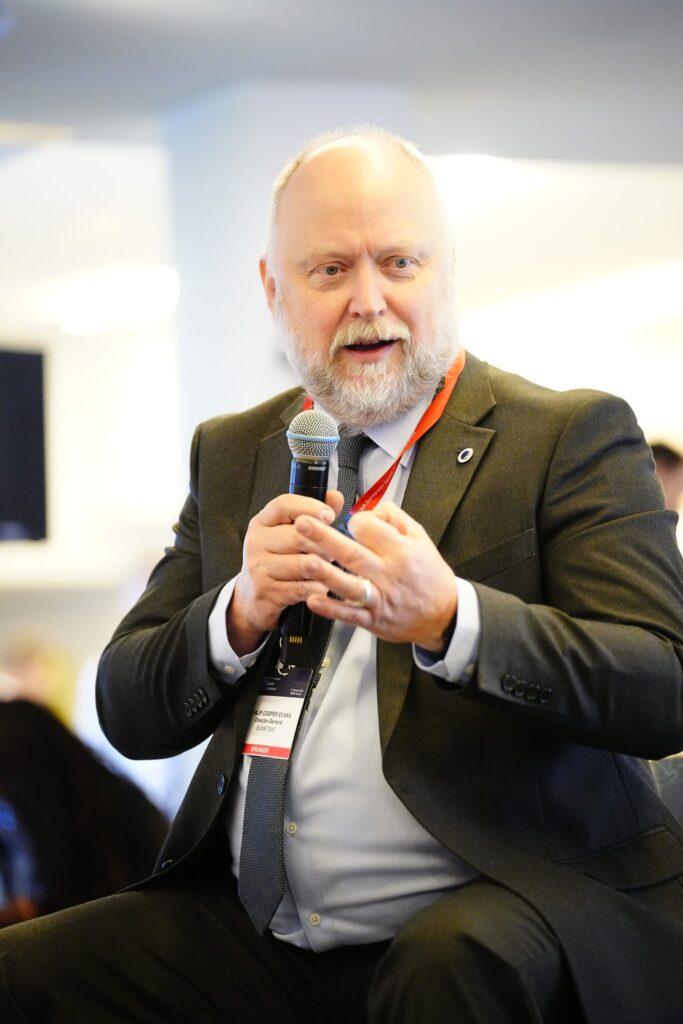
The second dialogue shifted the focus to the operational activities enabled by the Digital Twin, with contributions from Maja Markovčić Kostelac, Executive Director of the European Maritime Safety Agency, and Phil Evans, Director-General of EUMETSAT. Discussions emphasized concrete operational use cases and the value of digital ocean systems in supporting maritime safety, environmental monitoring and decision-making at the European level.
The roundtable concluded with closing statements from the Commissioners and Pierre Bahurel; the two Commissioners reiterated the strategic importance of the European Digital Twin Ocean for sovereign intelligence capabilities:
“Europe’s digital sovereignty increasingly depends on operational capabilities like the Digital Twin Ocean”, said Andrius Kubilius, Commissioner for Defence and Space (EU Space)
“Just as Europe needs independent capabilities in space, it needs such capabilities also for Ocean intelligence.“, said Costas Kadis, Commissioner for Fisheries and the Oceans.
Mercator Ocean’s Director-General Pierre Bahurel closed the roundtable highlighting the role of the new Intergovernmental Organization Mercator International Centre for the Ocean, established with the purpose to “Design, develop and operate world-class Digital Ocean Systems and contributions to a Digital Twin of the Ocean, encompassing marine physics, biogeochemistry and ecosystem sciences and to provide authoritative Digital Ocean Information Services of general interest to Member States and international ocean governance.”
Demos: how the Digital Twin Ocean is already operational
The roundtable discussions were grounded in a live demonstration of the European Digital Twin Ocean, which provided Commissioners and institutional partners with a concrete, hands-on view of how ocean intelligence is already supporting public and operational decision-making. The demonstration showcased how environmental data, AI-driven modelling and satellite observations are combined to move from “what-if” scenarios to operationally relevant use cases, illustrating the European Digital Twin Ocean’s role as a trusted and sovereign digital infrastructure.
The demonstration focused on three applications:
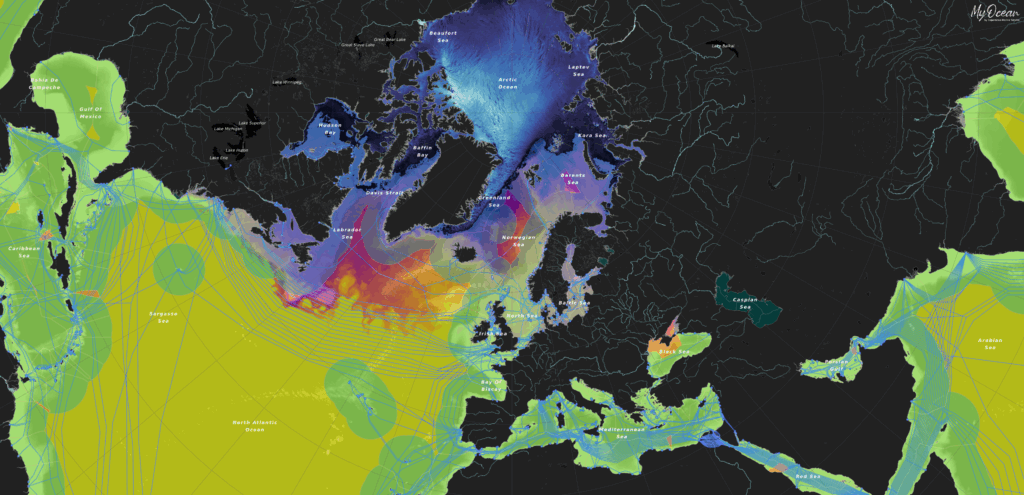
1. Greenland-Iceland-United Kingdom Line (GIUK Line): Water density and noise propagation scenario
This demonstration shows how the European Digital Twin Ocean can support strategic maritime situational awareness in sensitive regions such as the GIUK (Greenland-Iceland-UK) gap. Using the Copernicus Marine data, we can visualize different variables including sea ice thickness, temperature, and salinity to estimate water density.
By understanding how water density affects sound propagation, this scenario illustrates how ocean intelligence can inform the detection of vessels and optimize underwater acoustic monitoring.
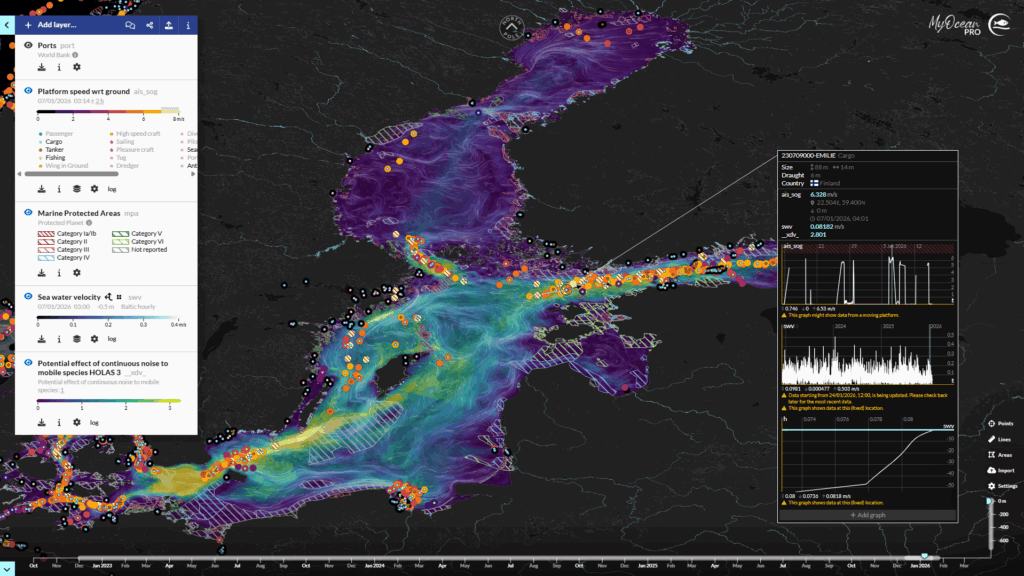
2. Maritime traffic & environmental impact in the Baltic Sea
This case demonstrates how operational ocean intelligence can support balanced decision-making, combining economic activity, environmental protection, and security.
- By integrating real-time maritime traffic, environmental sensitivity, and protected areas, the Digital Twin Ocean enables coordinated, cross-border European action.
- This is essential in shared seas like the Baltic, where cross-border cooperation is critical to effectively manage traffic, environmental protection, and maritime security.
It also creates an opportunity to co-design environmental vulnerability maps with stakeholders, supporting shared understanding, and more effective decision-making.
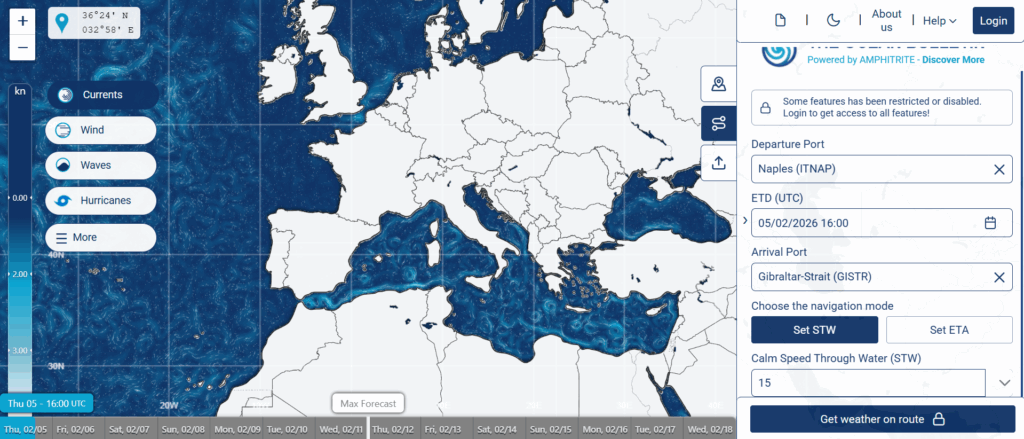
3. Navigation Route Optimization
This case simulates maritime routes anywhere on the global ocean or between specific ports, with comparison across multiple vessel classes. It demonstrates how European ocean intelligence can inform navigation choices that matter for both economic performance and climate impact.
- Shipping accounts for around 3% of global CO₂ emissions. By simulating vessel routes under real ocean and weather conditions, this application allows users to see, compare, and quantify the climate and fuel implications of different routing decisions.
- Integrated through EDITO, the Ocean Bulletin shows how the European Digital Twin of the Ocean can enable third-party innovation, translating satellite-based ocean intelligence into practical decision support for maritime actors worldwide.
- This is a concrete example of how Europe’s ocean data and modelling capabilities contribute to more efficient, lower-emission maritime transport, while remaining open and accessible to industry.
The demonstration comes at a pivotal moment. In 2025, twelve European states endorsed the international convention initiating Mercator Ocean’s transition towards an International Organization, signalling a move towards stronger European coordination on ocean intelligence and recognising ocean prediction as a strategic asset for security, climate policy, and geopolitical stability.
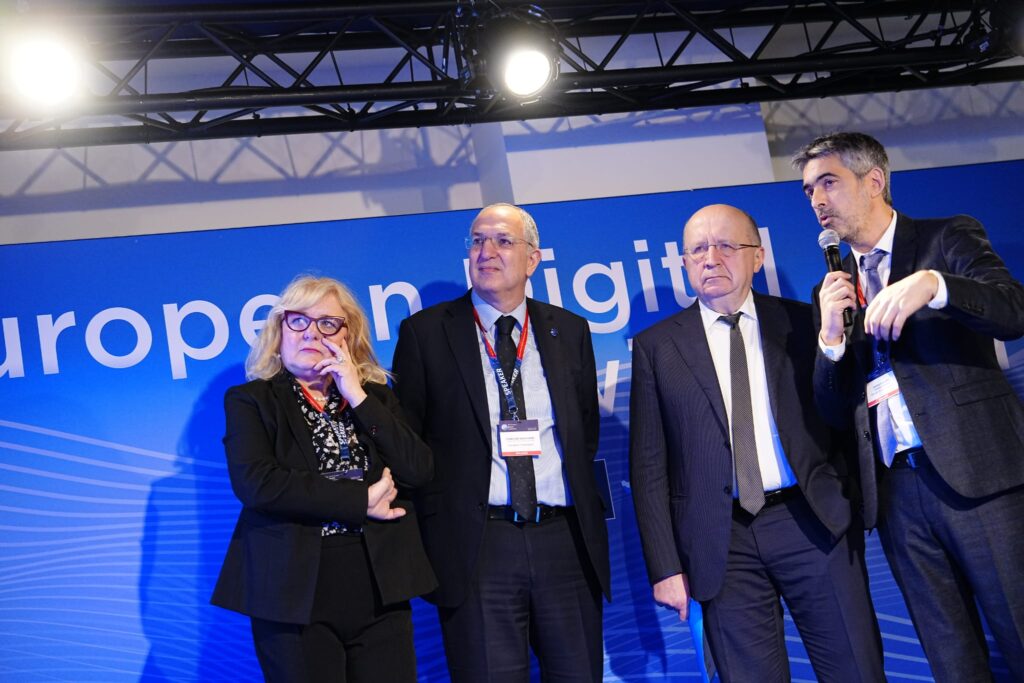
From Earth Observation to Inclusivity in the sector: Mercator Ocean speakers across the day
Later in the afternoon, Mercator Ocean’s Director of Digital Ocean Programme Alain Arnaud participated in the panel on “evolving needs and capabilities for Earth Observation”, highlighting how AI solutions enable near-real-time integration of satellite observations into our next-generation Ocean models.
As technology evolves, improved Earth Observation capabilities will directly benefit the applications of the European Digital Twin Ocean, paving the way to on-demand operational ocean prediction.
The panel featured Mauro Facchini, Head of Unit for Earth Observation at the European Commission, Simonetta Cheli, Director of Earth Observation Programmes at the European Space Agency and representatives of Europe’s private Earth Observation industry, increasingly involved in the provision of satellite imagery.
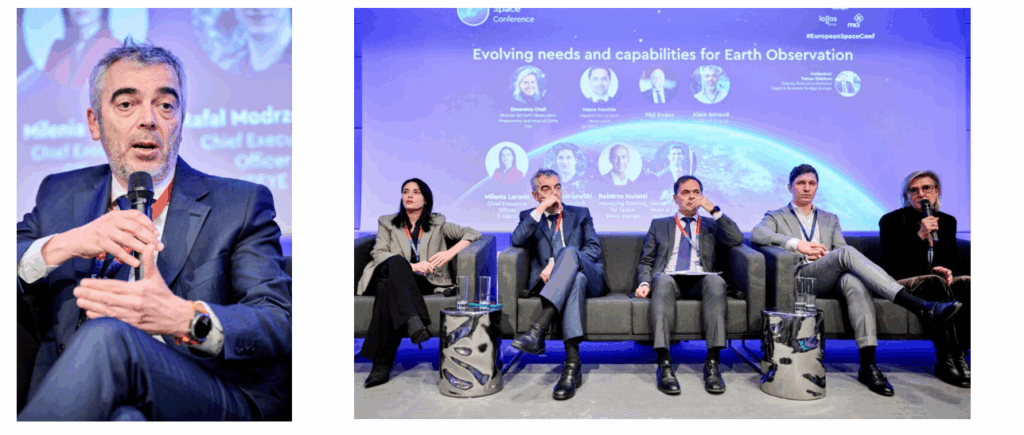
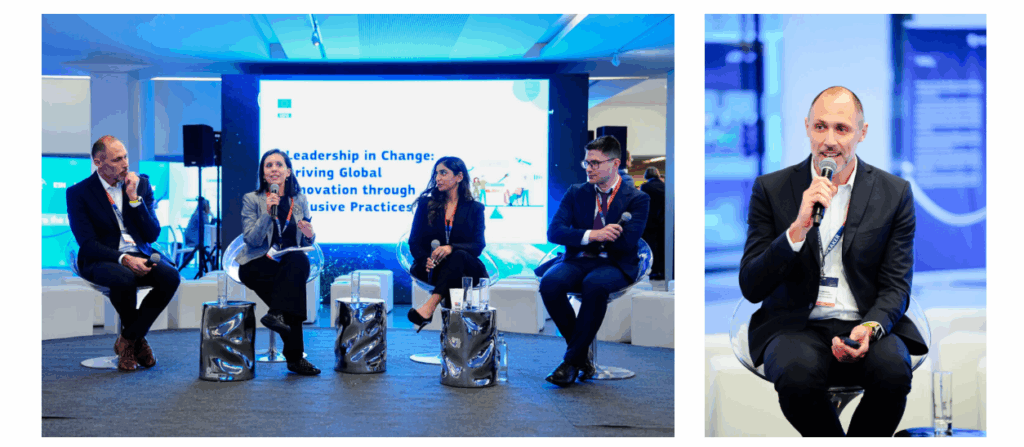
In the Agora stage, Fabrice Messal, Mercator Ocean’s Ocean Data Solutions Architect, contributed to an insightful discussion on the role of inclusivity within the Aerospace sector, highlighting our organization’s commitment to practices and an inclusive working environment as a way to drive innovation in the sectors of Earth Observation, Ocean Science and Operational Oceanography.
About the European Digital Twin Ocean
The European Digital Twin Ocean development was launched by the European Commission at the One Ocean Summit in February 2022 as part of the EU Mission to Restore our Ocean and Waters.
It is today an operational-ready European capability, built on Copernicus satellite data, extensive in situ observing networks including EMODnet, AI-driven ocean modelling, and pan-European scientific infrastructure.
The European Digital Twin Ocean is being built through the EDITO European project that enables co-development of digital twin applications tailored to diverse stakeholder needs.
Mercator Ocean is implementing the development of the European Digital Twin Ocean together with its partners, such as the Flanders Marine Institute (VLIZ) and Seascape Belgium, under the leadership of the European Commission.
Its strategic relevance was highlighted at the UN Ocean Conference in June 2025, when European Commission President Ursula von der Leyen described the European Digital Twin of the Ocean as “an amazing tool that helps us understand the Ocean.”
The platform is fully compatible with the Destination Earth (DestinE) architecture, led by ESA, EUMETSAT, and ECMWF, and leverages European High-Performance Computing (EuroHPC) resources. This alignment ensures that the Digital Twin Ocean supports the EU’s Digital Strategy and Green Deal objectives. EDITO has been officially endorsed as a Decade Action project contributing to DITTO, the United Nations programme on Digital Twins of the Ocean. It is also linked to the OceanPrediction Digital Collaborative Centre (DCC), reinforcing its role in international ocean digital innovation and collaboration.
Additional Resources
- Learn more about the European Digital Twin Ocean
- Access the full photo album of the 18th European Space Conference
- Read the article “The European digital twin of the ocean: from scientific tool to political stake” co-authored by Pierre Bahurel, exploring the geopolitical role of the European Digital Twin Ocean.