

From 8 to 12 June 2026, the first Digital Ocean Week brought together Europe’s ocean, space, digital and policy communities around a shared ambition: turning ocean observations and data into trusted intelligence for better decisions.
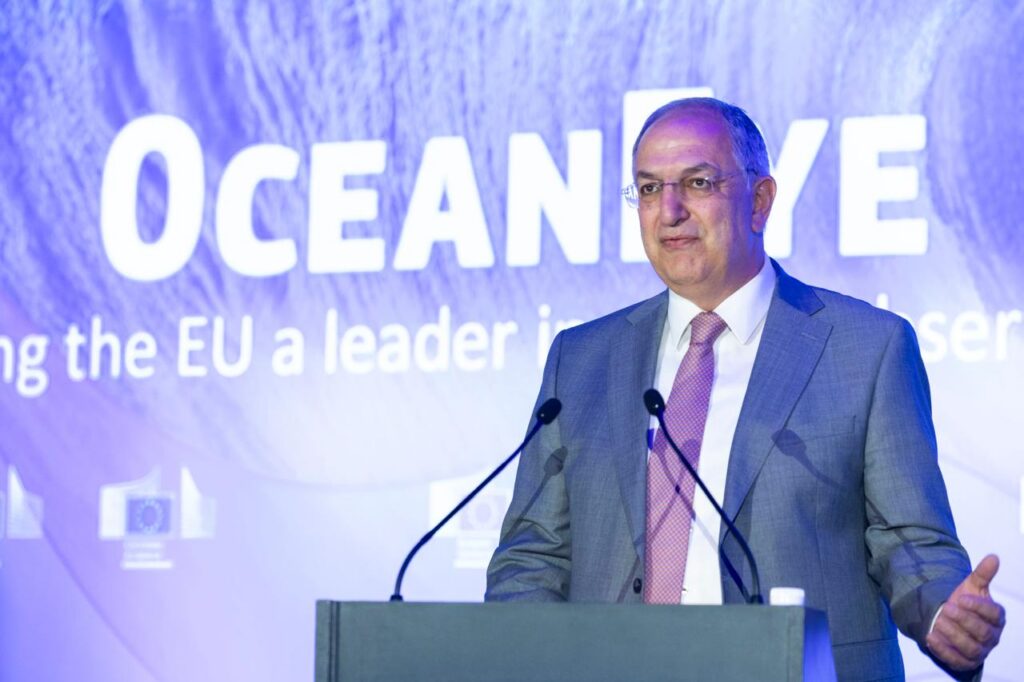
OceanEye at the heart of the Digital Ocean Week
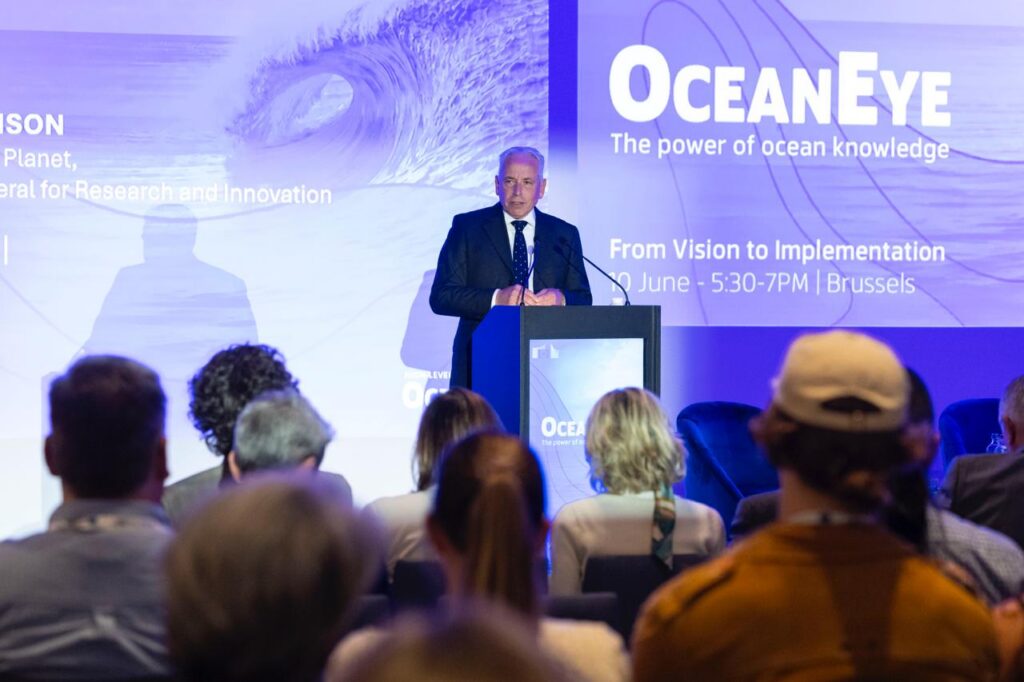
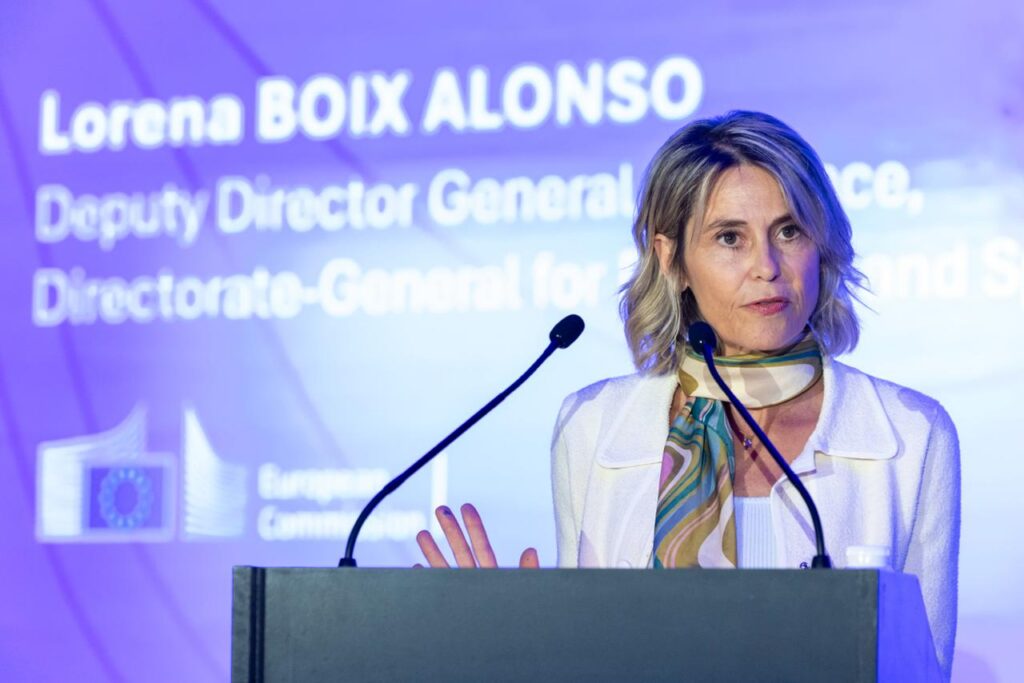
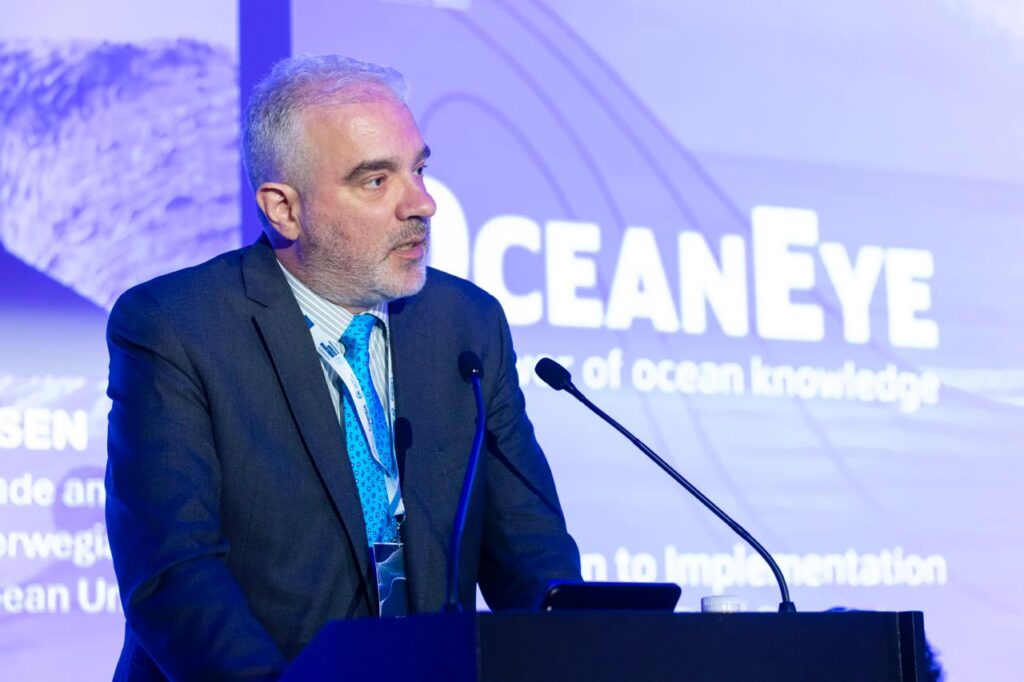
Bringing together European institutions, Members of the European Parliament, Member States and leading Ocean stakeholders, the high-level eventheld on June 10 provided the first collective opportunity to engage with the implementation of OceanEye, formally adopted by the European Commission on 3 June 2026.
The discussions reflected a shared commitment to strengthen Europe’s capacity to observe, understand and manage the ocean through a coordinated, system-wide approach, rooted in scientific excellence and digital innovation. At a time when ocean-observation efforts face financial uncertainty in other parts of the world, OceanEye affirmed Europe’s intention to provide sustained leadership in this essential global endeavour.
Scaling Europe’s role in global Ocean observation
OceanEye sets a clear ambition: by 2035, the European Union aims to contribute 35% of the global ocean observing system and become the world’s leading provider of ocean intelligence. It also seeks to strengthen Europe’s share of the ocean-observation technology market.commission.europa+1
The initiative relies on reinforcing the full ocean-knowledge value chain—from in-situ and satellite observations, to marine data, modelling and digital services—while improving coordination among national, European and international systems.
As an initial action, the European Commission has earmarked €50 million under Horizon Europe to strengthen the global in-situ observing system through the International Alliance supporting the Global Ocean Observing System (GOOS). Further support will reinforce global data systems and innovation in ocean-observation technologies.
Within this framework, Mercator Ocean International is identified as a direct contributor to OceanEye and the future European Digital Ocean System, through its implementation of the Copernicus Marine Service and its role, together with its partners Seascape Belgium and VLIZ, in developing the European Digital Twin Ocean through EDITO.
Opening the high-level event, Costas Kadis, Commissioner for Fisheries and Oceans,declared: “OceanEye has a clear vision and concrete proposals to transform how we observe and understand the ocean. To achieve the maximum that OceanEye can offer, it is important for all of us to act together. This is the moment to demonstrate true EU leadership in this global challenge. I am very pleased to be part of the Digital Ocean Week, which brings together the digital ocean community to advance Europe’s ambitions.”
A strengthened partnership with IOC-UNESCO
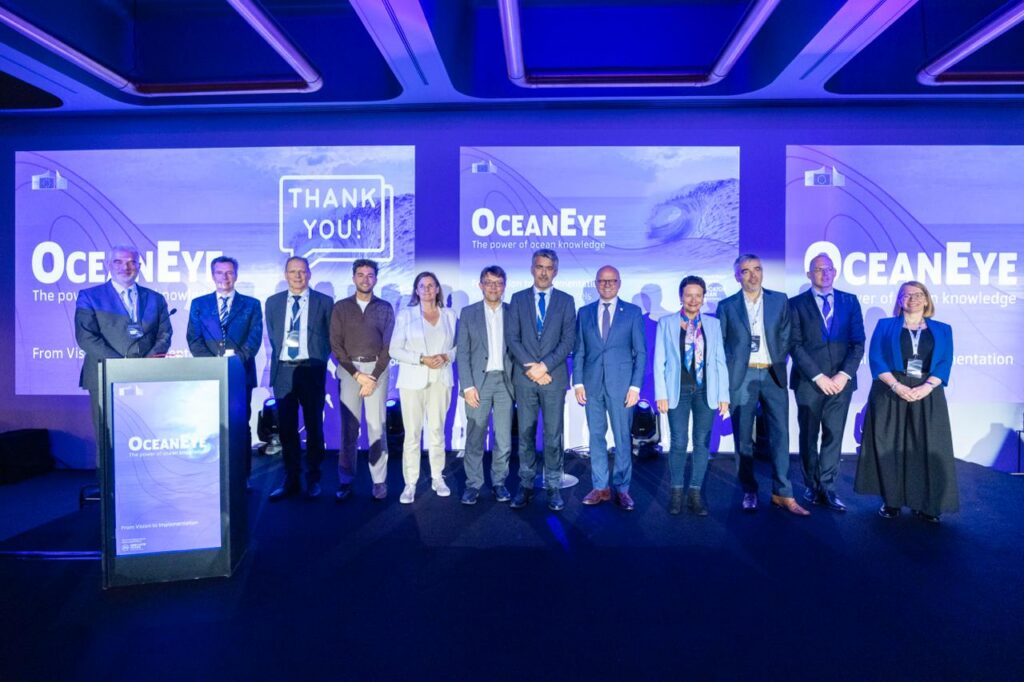
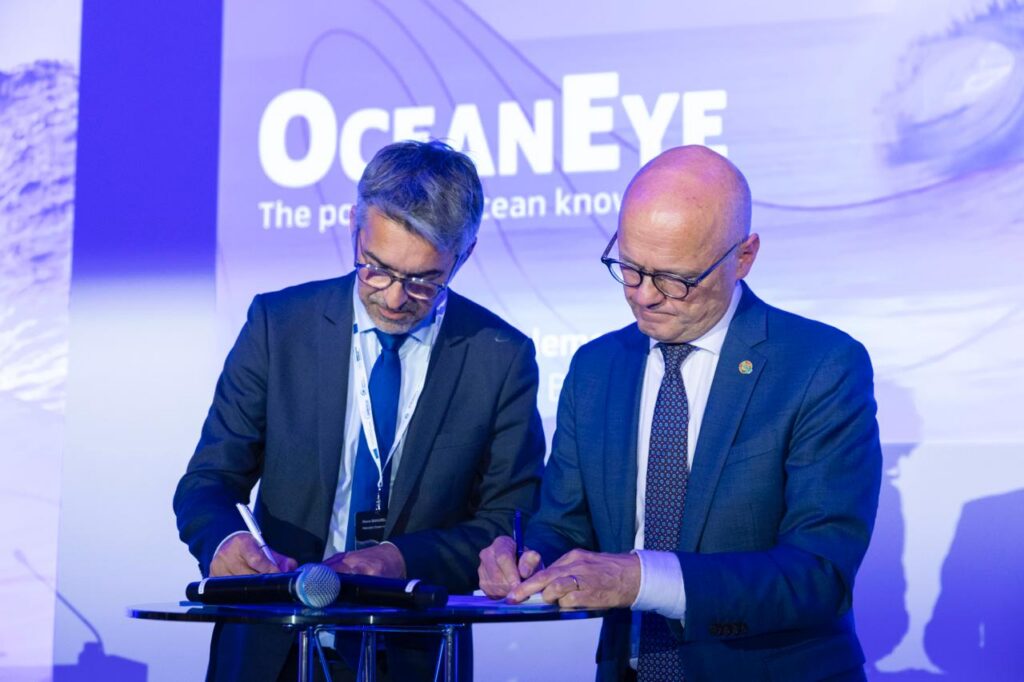
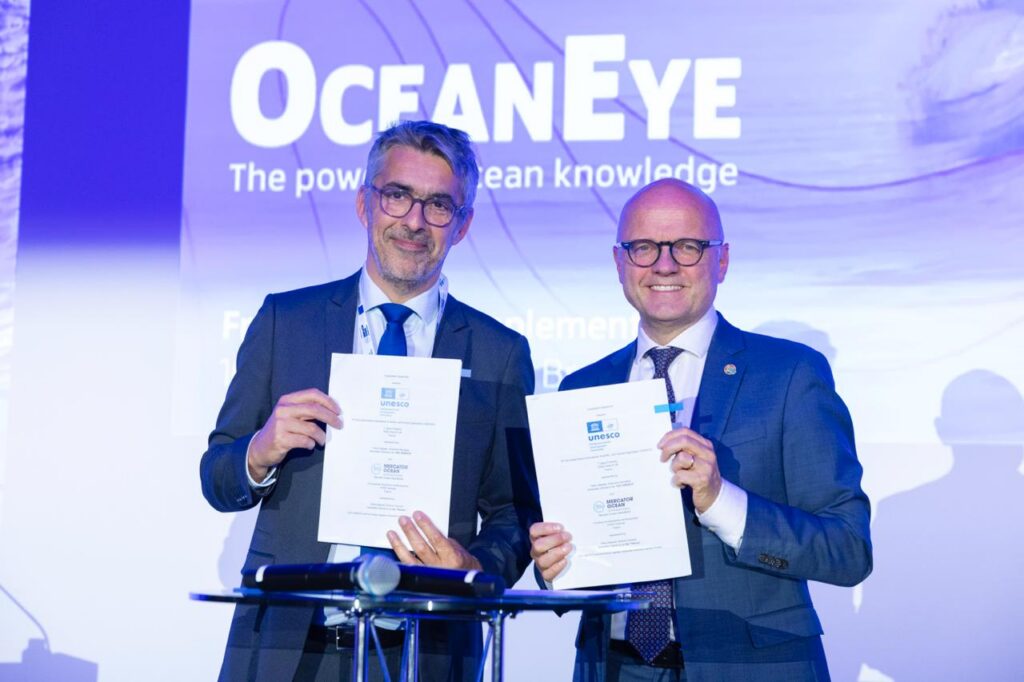
Another momentum of the evening was the signing of a Cooperation Agreement between Mercator Ocean International and the Intergovernmental Oceanographic Commission of UNESCO (IOC‑UNESCO).
The agreement provides a practical framework for Mercator Ocean International and IOC-UNESCO to work more closely in support of a stronger, more connected global ocean observing system. It will link expertise in ocean prediction, digital innovation and information services with IOC-UNESCO’s international coordination role—supporting better use of observations and ocean knowledge for protection, sustainable ocean use and the blue economy.
Its implementation will focus on shared priorities, including coordinated observation, interoperable data and digital systems, observing-system design, capacity development and clearer ocean indicators. Together, these efforts will help make ocean information more accessible and useful for decision-makers and the public.
Pierre Bahurel, Director General of Mercator Ocean, said: “OceanEye marks an important step in Europe’s commitment to the ocean. By working closely with IOC‑UNESCO and GOOS, Mercator Ocean will make Europe’s digital ocean system – from Copernicus Marine to the European Digital Twin Ocean – a concrete contribution to OceanEye and to a more robust, shared system for observing and understanding the ocean.”
Vidar Helgesen, Executive Secretary of IOC-UNESCO, added: “Strengthening the Global Ocean Observing System is not just a scientific challenge, it is a governance challenge. We need an optimised system that countries can sustain over time, and that will only be possible with much closer cooperation with governments. This new partnership with Mercator Ocean, as it becomes an intergovernmental organization, will help design a system that is responsive to Member States and focused on their priorities. And in turn, Mercator Ocean and the Digital Twin Ocean are critically dependent on the data provided by ocean observations.”
Towards a new governance model for the Digital Ocean
The developments presented during the vent also reflect a broader evolution in ocean governance. Mercator Ocean International is advancing its transformation into an intergovernmental organisation: the Mercator International Centre for the Ocean.
The European Commission recognises this transition as an enabler of OceanEye. It is expected to provide the institutional stability, shared Member State ownership and stronger links with national digital-ocean infrastructures needed to support Europe’s long-term observation, forecasting and digital-service capacities.
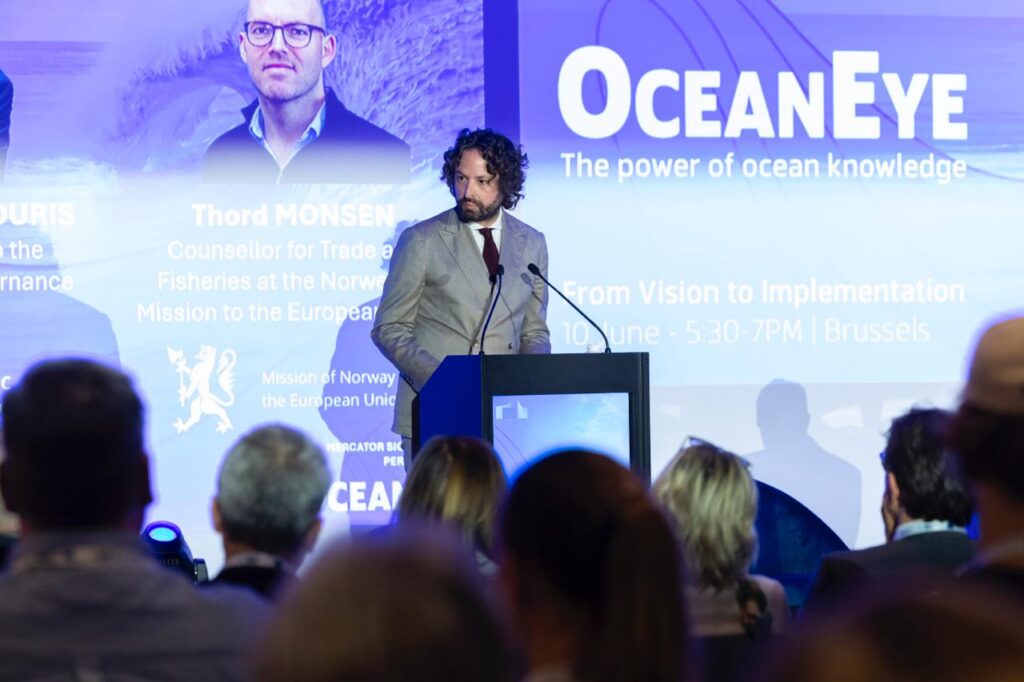
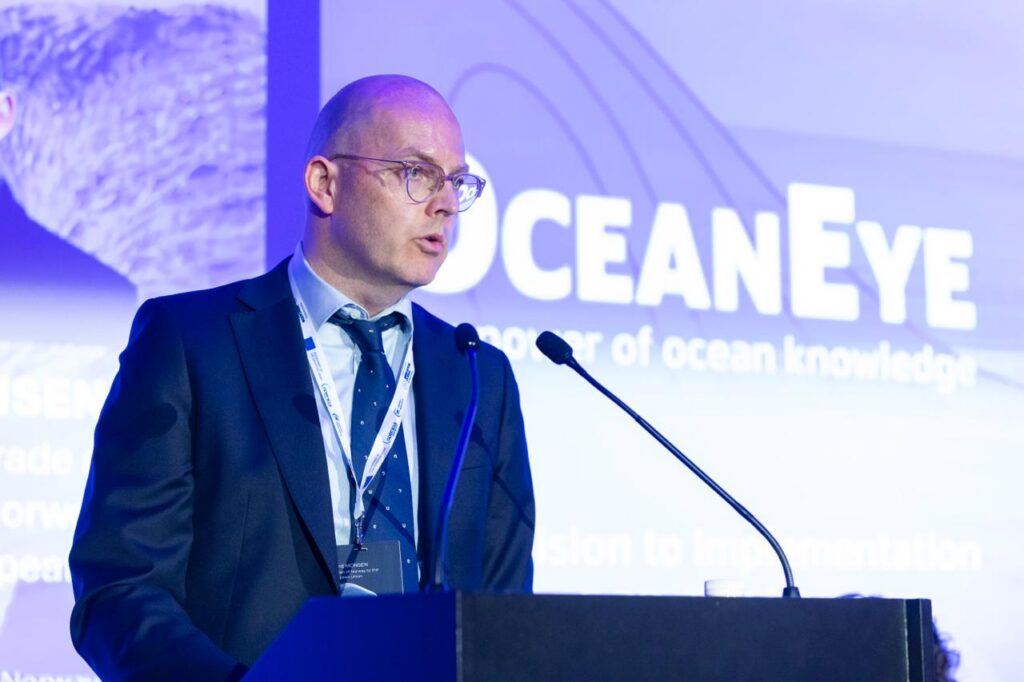
At the event, OceanEye received support from representatives of the signatory countries to the future IGO Convention – France, Greece and Norway – during a dedicated session with Cyril Piquemal, Deputy Permanent Representative of France to the EU; Thord Monsen, Counsellor at the Norwegian Mission to the EU; and Alexandros Boudouris, Diplomatic Advisor at Greece’s Ministry of Digital Governance.
The European Ocean Pact context
OceanEye is a flagship initiative under the European Ocean Pact, adopted by the European Commission in June 2025. The Pact provides an overarching framework for EU ocean action, spanning ocean health, climate resilience, a competitive sustainable blue economy, coastal communities, maritime safety and security, research and innovation.
Making the European Digital Twin Ocean fully operational by 2030 is one of the Pact’s actions to advance ocean research, knowledge, skills and innovation. To help deliver the Pact’s objectives, the Commission plans to present a European Ocean Act by 2027.
The European Ocean Pact was discussed from several policy perspectives during the High-Level Opening of Digital Ocean Week on 8 June, with contributions from Pierre Bahurel, Director-General of Mercator Ocean International; Christoph Kautz, Director for Space Policy, Satellite Navigation and Earth Observation at DG DEFIS; Delilah Al Khudhairy, Director for Maritime Policy and Blue Economy at DG MARE; and Wiebke Pankauke, Head of Unit for Ocean, Seas and Waters at DG RTD.
A closer look at the Week
- Read Part 1: Digital Ocean Week, Europe’s digital Ocean in action
- Read Part 2: Shaping the Future of Copernicus Marine
- Read Part 4: First AI Ocean Forum
Photos, replays and additional resources
- Watch the OceanEye Event replays and access photo gallery
- Read the OceanEye Press release published on 11 June
- Read the Communication of the European Commission: OceanEye: an EU ocean observation initiative
- Read the Brussels Times feature abou the OceanEye Event
Mercator Ocean International warmly thanks all speakers, participants and partners for their contributions to the first Digital Ocean Week. Their expertise and engagement will help carry this collective momentum forward as Europe continues to build its Digital Ocean.